
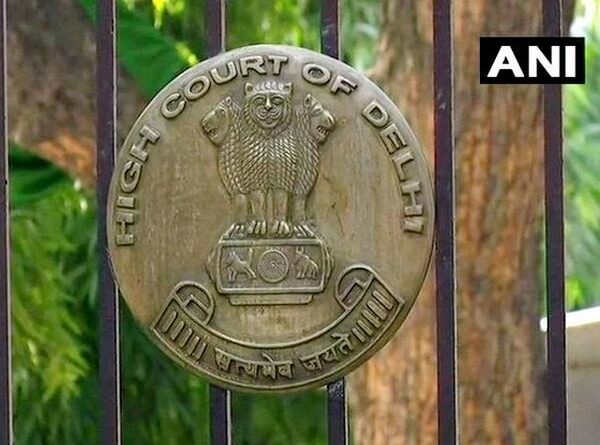
Delhi HC issues notice to Swiggy, Zepto over inaccessibility of their mobile apps to visually impaired users
New
Delhi
[India], April 24 (ANI): The
Delhi
High Court on Wednesday issued a
notice
to food delivery companies
Swiggy
and
Zepto
, as well as the Ministry of Electronics and Information Technology, over allegations that their mobile
apps
are inaccessible to
visually impaired
users.
The court’s move comes after a petition was filed by NGO Mission Accessibility, which claimed that the
apps
‘
inaccessibility
violates the Rights of Persons with Disabilities Act, 2016, and the Constitution of India.
Justice Sachin Datta directed
Swiggy
,
Zepto
, and the Ministry of Electronics and Information Technology to respond to the petition within four weeks. The next hearing is scheduled for May 28.
The
notice
has been issued on a petition filed by NGO Mission Accessibility through advocate Sarah and Taha Bin Tasneem.
Advocate Rahul Bajaj appeared for the petitioner. The petition highlights several issues with the
apps
, including a lack of accessible features, unlabeled interactive elements, the absence of essential product details, and the inability of
visually impaired
users to position their device cameras for necessary transactions.
The
apps
are not compatible with screen-reader software, making it difficult for
visually impaired
users to navigate and use the services independently. The
inaccessibility
of the
apps
allegedly denies
visually impaired
users their fundamental rights to equality, dignity, and freedom of expression.
Petitioner has submitted that these mobile
apps
failed to comply with the requirements under Sections 40 and 46 of the Rights of People with Disabilities (RPwD) Act and Rule 15 of the RPwD Rules, 2017.
It is further stated that the
inaccessibility
of these applications violates fundamental rights guaranteed under Articles 14, 19, and 21 of the Constitution of India, the Rights of Persons with Disabilities Act, 2016, and the Rules.
The inaction of the Respondent Ministry of Electronics and Information Technology in enforcing these standards further exacerbates the issue, the plea added.
The petitioner seeks directions to: A detailed accessibility audit to identify existing barriers faced by persons with disabilities’ Ensure full compliance with digital accessibility standards and make platforms screen-reader friendly; Offer alternative mechanisms for inaccessible elements and integrate essential features like voice-guided camera positioning and hold non-compliant entities accountable under the Rights of Persons with Disabilities Act under Sections 89 & 90 of the RPwD Act, 2016. (ANI)
Provided by SyndiGate Media Inc. (
Syndigate.info
).